Vastu Guide

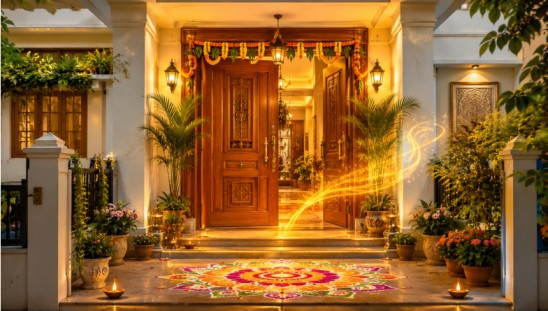
Beautiful Vastu-compliant main door with auspicious colors, rangoli, plants, and positive energy at home entrance.
Vastu Guide

वास्तु अनुसार मुख्य द्वार का रंग / Vastu Main Door Color Guide

वास्तु शास्त्र में मुख्य द्वार को घर का “मुख” माना जाता है। मान्यता है कि घर में आने वाली सकारात्मक ऊर्जा, सुख, समृद्धि और नए अवसर मुख्य द्वार से ही प्रवेश करते हैं। इसलिए मुख्य द्वार का रंग केवल सजावट का विषय नहीं है, बल्कि वास्तु की दृष्टि से भी महत्वपूर्ण माना जाता है। वास्तु सिद्धांतों के अनुसार मुख्य द्वार का रंग उसकी दिशा के अनुसार चुना जाना चाहिए। 🟠 पूर्वमुखी मुख्य द्वार (East Facing): हल्का हरा, सफेद या हल्का नीला रंग शुभ माना जाता है। ये रंग नई ऊर्जा, विकास और सकारात्मकता का प्रतीक हैं। 🟠 उत्तरमुखी मुख्य द्वार (North Facing): नीला, हरा या सिल्वर रंग धन, अवसरों और आर्थिक प्रगति को आकर्षित करने वाला माना जाता है। 🟠 दक्षिणमुखी मुख्य द्वार (South Facing): लाल, मैरून या भूरे रंग संतुलन, शक्ति और स्थिरता प्रदान करने वाले माने जाते हैं। 🟠 पश्चिममुखी मुख्य द्वार (West Facing): सफेद, क्रीम या हल्का पीला रंग शांति, स्थिरता और सामंजस्य का प्रतीक माना जाता है। वास्तु मान्यताओं के अनुसार यदि मुख्य द्वार का रंग दिशा के अनुरूप न हो, अत्यधिक गहरा हो या उसका रंग उखड़ा हुआ दिखाई दे, तो यह प्रवेश द्वार की सुंदरता और सकारात्मकता को प्रभावित कर सकता है। इसलिए समय-समय पर मुख्य द्वार की सफाई, मरम्मत और रंग-रोगन कराना आवश्यक माना जाता है। मुख्य द्वार के आसपास का क्षेत्र भी साफ-सुथरा, व्यवस्थित और पर्याप्त रोशनी वाला होना चाहिए। टूटे हुए सामान, अव्यवस्था या अंधेरा वास्तु की दृष्टि से उचित नहीं माना जाता। एक स्वच्छ, सुंदर और सुव्यवस्थित मुख्य द्वार न केवल घर की शोभा बढ़ाता है, बल्कि सकारात्मक और स्वागतपूर्ण वातावरण बनाने में भी सहायक माना जाता है। यदि आप अपने घर में सुख, शांति और समृद्धि का वातावरण बनाए रखना चाहते हैं, तो मुख्य द्वार के रंग और उसकी देखभाल पर विशेष ध्यान दें। The Main Door is considered the “face” of a home in Vastu Shastra. It is believed that positive energy, happiness, prosperity, and new opportunities enter through the main entrance. That is why the color of your main door is not just a design choice – it is also considered important from a Vastu perspective. According to Vastu principles, the color of the main door should be selected based on its direction. 🟠 East-facing main door: Light Green, White, or Light Blue are considered auspicious. These colors symbolize growth, fresh energy, and positivity.🟠 North-facing main door: Blue, Green, or Silver are believed to attract wealth, opportunities, and financial growth.🟠 South-facing main door: Red, Maroon, or Brown shades are generally recommended to create balance and strength.🟠West-facing main door: White, Cream, or Light Yellow colors are considered suitable for stability and harmony. Vastu traditions suggest that a door painted in an unsuitable color, an excessively dark shade, or a door with peeling paint may affect the overall appearance and energy of the entrance. Regular cleaning, maintenance, and repainting help keep the entrance attractive and welcoming. The area around the main door should also remain clean, organized, and well-lit. Broken items, clutter, or darkness near the entrance are generally considered unfavorable in Vastu. A clean, beautiful, and properly maintained main entrance is believed to support a positive atmosphere and create a welcoming environment for family and guests.
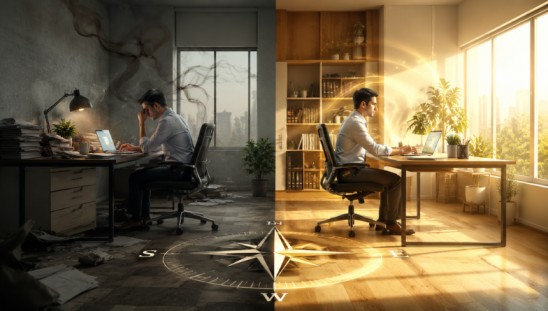
Work Desk Vastu Tips for Productivity
Vastu Guide

काम की सही दिशा / Best Working Direction

क्या आप ऑफिस या घर में काम करते समय दक्षिण दिशा की ओर मुख करके बैठते हैं? यदि हाँ, तो वास्तु शास्त्र के अनुसार यह आपकी कार्यक्षमता, एकाग्रता और करियर ग्रोथ को प्रभावित कर सकता है। जिस दिशा की ओर हम बैठकर काम करते हैं, उसका हमारे मानसिक संतुलन, निर्णय लेने की क्षमता और ऊर्जा स्तर पर प्रभाव माना जाता है। वास्तु के अनुसार काम करते समय उत्तर (North) या पूर्व (East) दिशा की ओर मुख करके बैठना सबसे शुभ माना जाता है। उत्तर दिशा कुबेर की दिशा मानी जाती है, जो धन, अवसर और व्यवसायिक सफलता से जुड़ी है। वहीं पूर्व दिशा सूर्य की दिशा है, जो नई ऊर्जा, सकारात्मक सोच और बेहतर निर्णय क्षमता प्रदान करने का प्रतीक है। कई वास्तु विशेषज्ञों के अनुसार दक्षिण दिशा की ओर मुख करके लंबे समय तक काम करने से मानसिक थकान, कार्य में बाधाएं और अपेक्षित परिणामों में देरी महसूस हो सकती है। विशेष रूप से छात्रों, व्यवसायियों और कॉर्पोरेट प्रोफेशनल्स के लिए सही दिशा का चुनाव महत्वपूर्ण माना जाता है। यदि आपका वर्कस्टेशन दक्षिण मुखी है, तो तुरंत घबराने की आवश्यकता नहीं है। अपने बैठने की दिशा बदलने का प्रयास करें या कम से कम अपनी डेस्क को इस प्रकार व्यवस्थित करें कि आपका मुख उत्तर या पूर्व की ओर रहे। साथ ही कार्यस्थल को साफ-सुथरा, व्यवस्थित और पर्याप्त रोशनी वाला रखें। स्टडी रूम, ऑफिस केबिन या होम ऑफिस में उत्तर-पूर्व (North-East) क्षेत्र को हल्का और खुला रखना भी लाभदायक माना जाता है। यह क्षेत्र ज्ञान, एकाग्रता और सकारात्मक विचारों से जुड़ा हुआ माना जाता है। वास्तु शास्त्र केवल मान्यताओं का संग्रह नहीं, बल्कि स्थान और ऊर्जा के संतुलन का विज्ञान माना जाता है। सही दिशा में बैठकर काम करने से मन अधिक केंद्रित रहता है और कार्य करने का उत्साह बढ़ सकता है। Do you sit facing the South direction while working at your office or home? If so, according to Vastu Shastra, it may influence your productivity, concentration, and career growth. The direction we face while working is believed to affect our mental balance, decision-making ability, and overall energy levels. According to Vastu principles, facing North or East while working is considered most auspicious. North is associated with Lord Kuber, the deity of wealth, and is believed to attract financial opportunities, prosperity, and business success. East, the direction of the rising sun, symbolizes fresh energy, positivity, and enhanced decision-making abilities. Many Vastu experts suggest that working for long hours while facing South may lead to mental fatigue, obstacles in work, and delays in achieving desired results. This is considered especially important for students, business owners, and corporate professionals. If your workstation currently faces South, there is no need to worry. Try adjusting your seating position so that you face North or East while working. Additionally, keep your workspace clean, organized, and well-lit to promote a positive and productive environment. In study rooms, office cabins, or home offices, keeping the North-East area open, clutter-free, and light is also considered beneficial. This zone is associated with knowledge, concentration, and positive thinking. Vastu Shastra is often regarded not merely as a collection of beliefs but as a system focused on balancing space and energy. Working in the right direction may help improve focus, motivation, and overall work efficiency.

Lighting Your Diya in the Wrong Direction?
Vastu Guide

वास्तु शास्त्र में दीपक / Diya Placement in Vastu

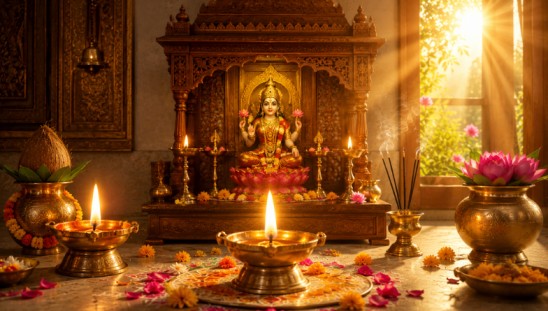
घर के मंदिर में रोज़ दीपक जलाना भारतीय परंपरा का महत्वपूर्ण हिस्सा है। लेकिन क्या आप जानते हैं कि दीपक किस दिशा में रखा गया है, इसका भी विशेष महत्व होता है? वास्तु शास्त्र के अनुसार सही दिशा में जलाया गया दीपक घर में सुख, शांति, समृद्धि और सकारात्मक ऊर्जा लाता है। वास्तु के अनुसार दीपक जलाने के लिए पूर्व (East) और उत्तर (North) दिशा सबसे शुभ मानी जाती हैं। पूर्व दिशा सूर्य देव की दिशा है, इसलिए यहाँ दीपक जलाने से स्वास्थ्य, ऊर्जा और मानसिक शांति बढ़ती है। उत्तर दिशा कुबेर की दिशा मानी जाती है, जिससे धन, व्यापार और करियर में लाभ मिलने की मान्यता है। वहीं दक्षिण दिशा में दीपक जलाना शुभ नहीं माना जाता। वास्तु ग्रंथों में दक्षिण दिशा को यम की दिशा बताया गया है। इस कारण इस दिशा में दीपक रखने से नकारात्मकता, तनाव और बाधाओं की संभावना बढ़ सकती है। इसलिए मंदिर में दीपक रखते समय दिशा का विशेष ध्यान रखें। दीपक की लौ भी महत्वपूर्ण होती है। यदि लौ सीधी ऊपर उठे या पूर्व एवं उत्तर की ओर झुकी हो तो यह शुभ संकेत माना जाता है। यदि लौ लगातार दक्षिण दिशा की ओर झुके तो दीपक का स्थान बदलने की सलाह दी जाती है। पूजा घर में दीपक हमेशा पूर्व या उत्तर दिशा में रखें। रसोई में आग्नेय कोण (दक्षिण-पूर्व) उपयुक्त माना जाता है। अध्ययन कक्ष में उत्तर-पूर्व दिशा में दीपक रखने से एकाग्रता बढ़ने की मान्यता है। शयन कक्ष में दीपक जलाने से बचना चाहिए। दीपक के लिए मिट्टी, तांबा या चांदी का दीपक श्रेष्ठ माना जाता है। गाय का घी या तिल का तेल उपयोग करना शुभ माना जाता है। ighting a diya (oil lamp) in the home temple is an important part of Indian tradition. However, according to Vastu Shastra, the direction in which the diya is placed can influence the flow of positive energy in the house. The most auspicious directions for lighting a diya are East and North. The East is associated with the Sun, symbolizing health, vitality, and mental peace. Lighting a diya in this direction is believed to promote positivity and well-being. The North is linked to Lord Kuber, the deity of wealth, and is considered beneficial for financial growth, business success, and career progress. According to traditional Vastu principles, the South direction is generally not recommended for placing a diya in the prayer area. It is associated with heavy energies, and many Vastu experts advise avoiding this direction for daily worship lamps. The flame of the diya is also considered important. A steady flame rising upward is viewed as a positive sign. If the flame naturally leans toward the East or North, it is believed to indicate favorable energy. If it continuously bends toward the South, checking the placement of the lamp may be beneficial. For best results, place the diya in the prayer room facing

Vastu Shastra is an ancient Indian science
Vastu Guide

Vastu Secrets for New Home

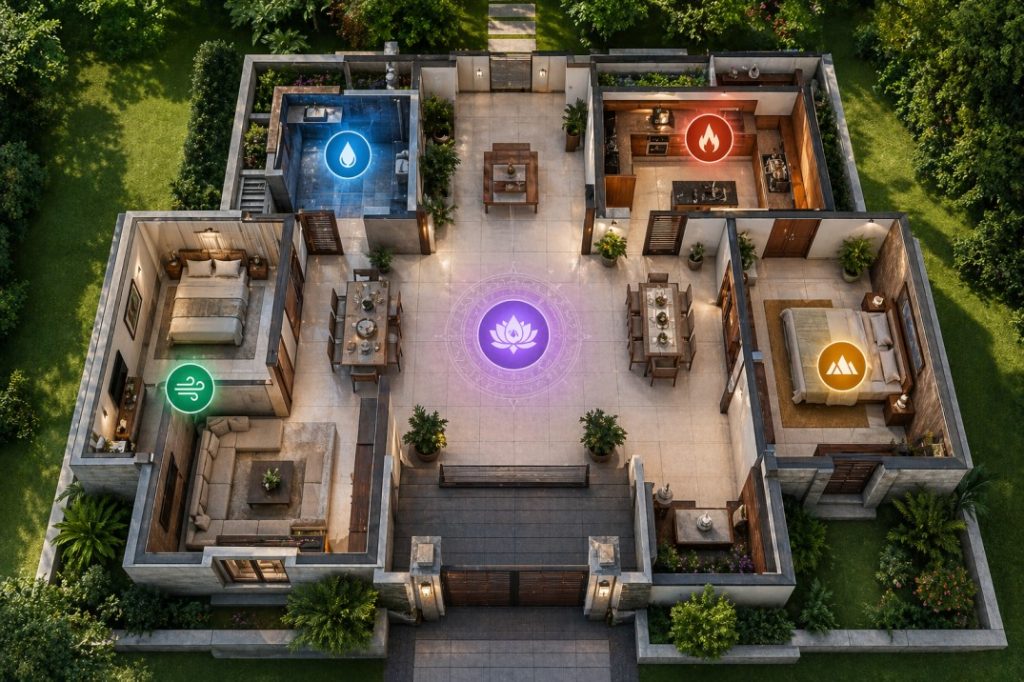
Easy Vastu for New Home If you are planning to build your house and feeling confused about what is right, just remember one simple rule – balance of the five elements (Water, Fire, Air, Earth, and Space) is the foundation of good Vastu. Ancient texts like Mayamatam and Vishwakarma Prakash also explain that when these five elements are balanced, positive energy flows naturally in the house. Among these elements, the most important is Space (Akash element), which is connected to the Brahmasthan (center of the plot). This area is considered the energy core of your home. According to Vastu, it should always be open, clean, and light. Avoid placing heavy furniture, pillars, walls, drainage, or storage in this central space. Blocking the Brahmasthan can lead to stress, financial problems, and health issues. As per Vastu guidelines:🔶 Water element in North-East🔶 Fire element in South-East🔶 Air element in North-West🔶 Earth element in South-West🔶 Space element (Brahmasthan) at the center If you want your home to be more than just a structure – a space full of positive energy, peace, and prosperity – then following these Vastu principles is very important. Start Your Vastu Journey

Kakini Vichar
Vastu Guide

Kakini Vichar

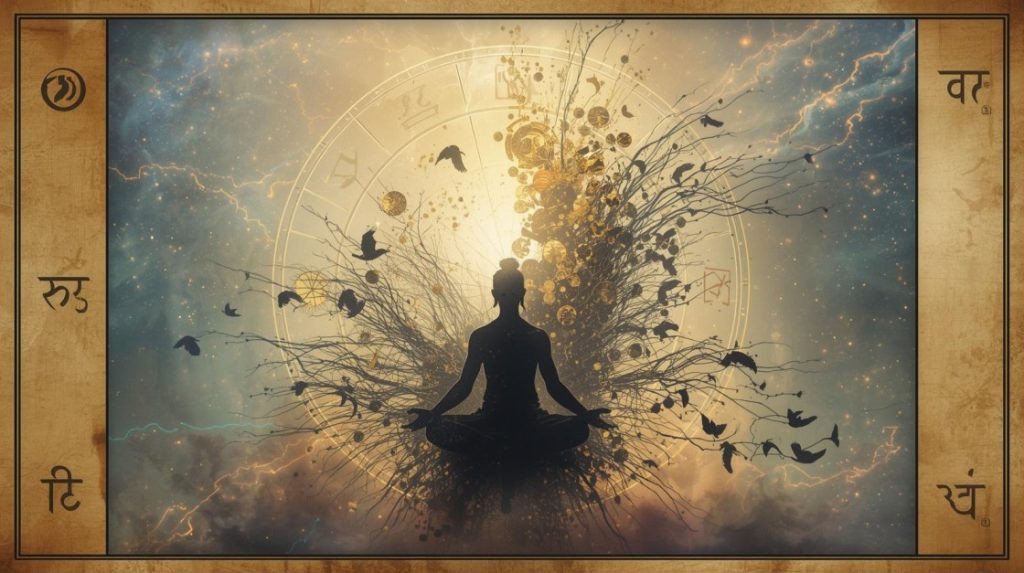
Kakini Vichar ज्योतिष और वास्तु शास्त्र में “काकिणी” का विशेष स्थान है, जो प्रायः भूमि मापन, दिशा निर्धारण और शुभ-अशुभ फलों की गणना से जुड़ा है। यह विचार विशेष रूप से ग्रहों की स्थिति और ऊर्जा के संतुलन को दर्शाने वाला माना जाता है। वास्तु में काकिणी का प्रयोग भूखंड के दोष निवारण, वास्तु पुरुष मंडल के आलेखन और निवास के विभिन्न क्षेत्रों (कोणों) में होने वाले प्रभावों के आकलन के लिए किया जाता है। ज्योतिषीय दृष्टि से काकिणी विचार का उपयोग प्रश्न कुंडली (होरा प्रश्न) या मुहूर्त निकालते समय किसी विशेष दिशा में स्थित ऊर्जा या बाधा को समझने के लिए किया जाता है, जिससे शुभ कार्यों के लिए सही दिशा और समय का चयन किया जा सके। In Vedic astrology and Vastu Shastra, the “Kākiṇī” principle holds significant importance, often associated with land measurement, directional alignment, and assessing auspicious or inauspicious results. In Vastu, it is used for rectifying plot defects, mapping the Vastu Purusha Mandala, and analyzing the energy flow in different corners of a building. Astrologically, the Kākiṇī principle is applied in Prashna (horary) astrology and Muhurta (electional astrology) to understand directional energies or potential obstacles, ensuring the selection of the correct orientation and timing for auspicious events and architectural constructions. Get Complete Insights

Discover holistic guidance for a balanced and purposeful life through our expert Jyotish (Vedic Astrology), Vastu Shastra, Ayurveda, and Spiritual & Devotional services.

Scroll to Top